
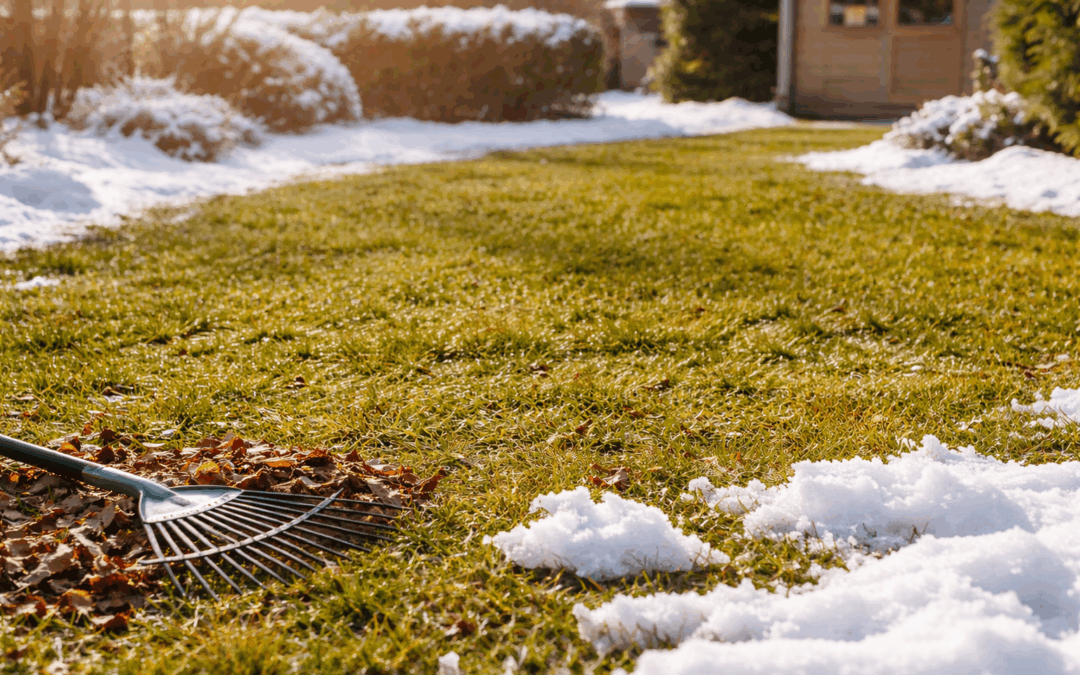
Winter can be tough on your lawn. Short days, cold temperatures, snow, and ice all take a toll on grass and soil. If you want a thick, healthy lawn in spring, winter lawn care starts long before the first snowfall and continues as winter fades.
This guide walks you through what to do before winter dormancy, how to protect your lawn during winter, and how to bring it back strong once the weather warms up.
Let’s start with preparation.
Lawn Care Before Winter Dormancy
The most important part of winter lawn care happens in fall. Once the ground freezes, there is very little you can do to correct problems. Proper preparation helps your lawn survive winter stress and recover faster in spring.
Mowing Before Winter
Continue mowing until grass growth slows significantly. For most cool season grasses, aim for a final height of about 2 to 2.5 inches. This height helps prevent snow mold while still protecting the roots.
Do not scalp the lawn. Cutting too short exposes roots and increases the risk of winter damage. Watch the weather closely, since an early cold snap may require an earlier final cut than expected.
Fertilizing, Seeding, and Aeration
Fall is the best time to strengthen your lawn for winter.
Apply a winter fertilizer before the first frost so nutrients can be absorbed before growth stops. Aerating the soil helps relieve compaction and allows air, water, and nutrients to reach the roots.
If you notice thin or bare spots, overseed those areas and use a potassium rich fertilizer to help the grass store energy for winter.
Watering Before Freezing Weather
Water regularly in fall to keep the soil hydrated going into winter. Once temperatures consistently stay below freezing and the ground begins to harden, stop watering. Excess moisture can freeze and damage roots.
Lawn Care Dos and Don’ts Before Winter
Do
- Mow regularly at the proper height
- Fertilize and aerate before frost
- Water consistently until freezing weather arrives
Don’t
- Cut grass too short
- Water once the ground is freezing
Lawn Care During Winter
During winter, grass enters dormancy. Growth slows or stops entirely, especially in colder climates. Lawn care during this time is mostly about prevention.
Leave the Lawn Alone
Avoid walking or driving on frozen or snow covered grass. Foot traffic can compact soil and damage dormant grass, leading to bare spots in spring. Keep outdoor furniture, equipment, and heavy objects off the lawn.
Water Only If Necessary
In most areas, you should not water at all during winter. If you live in a region with dry winters and minimal snow, light watering may be needed during warmer periods. Always water early in the day so moisture can soak in before temperatures drop.
Watch for Debris and Damage
Fallen branches, leaves, and debris can trap moisture and encourage pests or fungal disease. Remove debris when conditions are safe to do so.
Lawn Care Dos and Don’ts During Winter
Do
- Remove debris when possible
- Minimize foot traffic
Don’t
- Walk on frozen or frosty grass
- Store heavy items on the lawn
Lawn Care When Winter Ends
As temperatures rise and the ground thaws, it is time to help your lawn recover. Wait until daytime temperatures stay consistently above about 45 degrees Fahrenheit before beginning spring lawn care.
Clean Up the Lawn
Gently rake away leaves, twigs, and dead grass. This allows sunlight and air to reach the soil. Avoid aggressive raking, which can damage new growth.
Assess Winter Damage
Inspect your lawn for bare spots, disease, or compacted soil. A soil test can help determine nutrient needs and pH levels before fertilizing.
Aerate, Seed, and Fertilize
Once the soil is no longer soggy, aerate to relieve compaction. Overseed thin areas to promote thicker growth, then apply a balanced spring fertilizer to support new grass.
First Mow of the Season
Wait until the lawn is dry and actively growing before mowing. Set the mower slightly higher than normal for the first few cuts to protect new grass. Sharp blades are essential for a clean cut.
This is also a great time to service your mower. Traditional gas mowers may need oil changes and tune ups. Battery and robotic mowers are generally easier to maintain and ready to go with minimal prep.
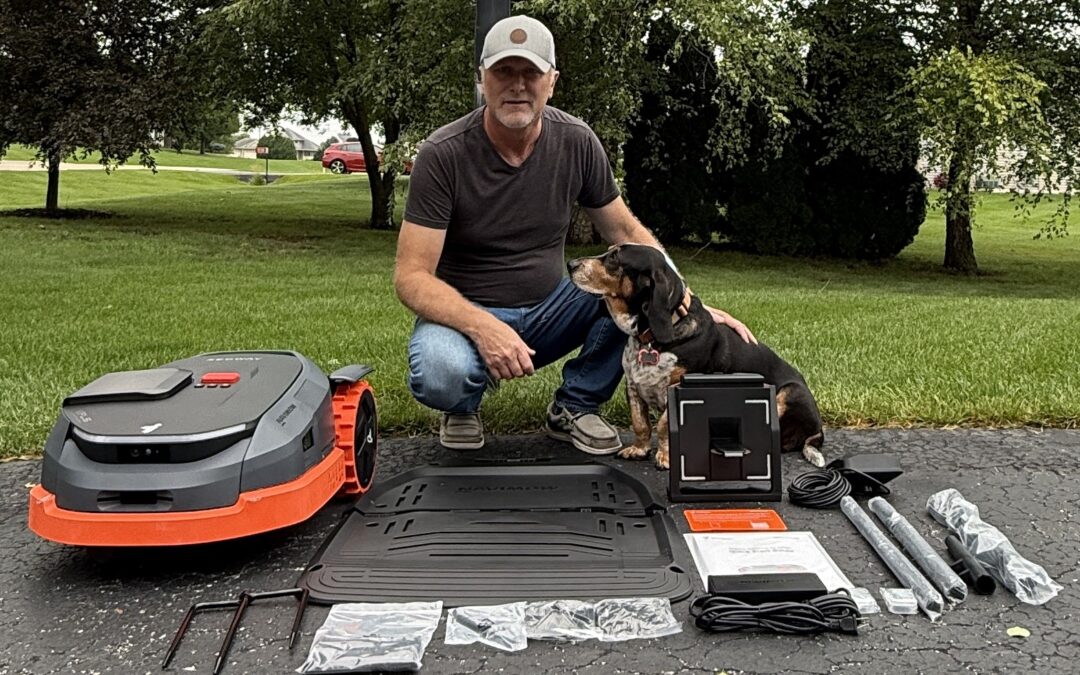
Robotic mowers, such as Segway Navimow models, handle early season mowing gently and consistently, which helps new grass establish without stress. Features like automatic mapping, quiet operation, and precise navigation make them especially useful during the busy spring season.
Common Questions:
When should I stop mowing for the season?
When grass growth slows and you are no longer needing to mow weekly. Many lawns still need occasional mowing after the first cool nights, so watch growth rather than the calendar.
Should I cover my lawn in winter?
Usually no. Covering can trap moisture and reduce airflow. If you must protect a specific area, choose breathable materials and remove them as soon as conditions improve.
Can I fertilize in early spring instead of fall?
You can, but fall feeding is often more effective for root storage and spring recovery. Spring fertilizer works best when timed with active growth and based on your lawn’s needs.
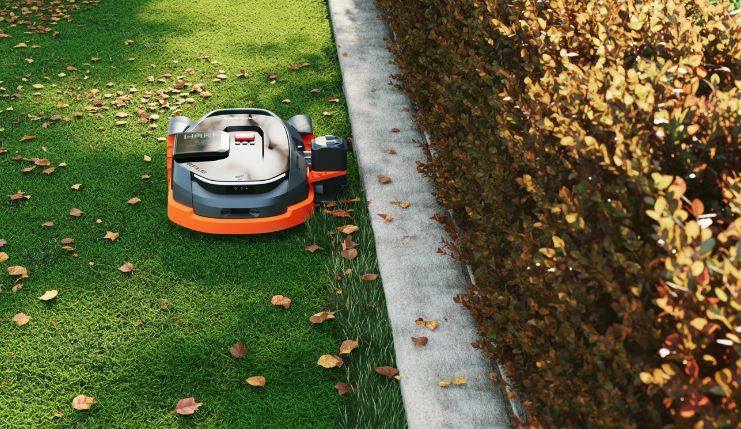
When to Stop Mowing in Fall: The Right Timing for a Healthy Lawn
Don't rely on the calendar. Watch your lawn for the real signs it's time to stop mowing. When Should You Stop Mowing This Fall? As fall settles in and temperatures begin to dip, you might wonder when it's time...
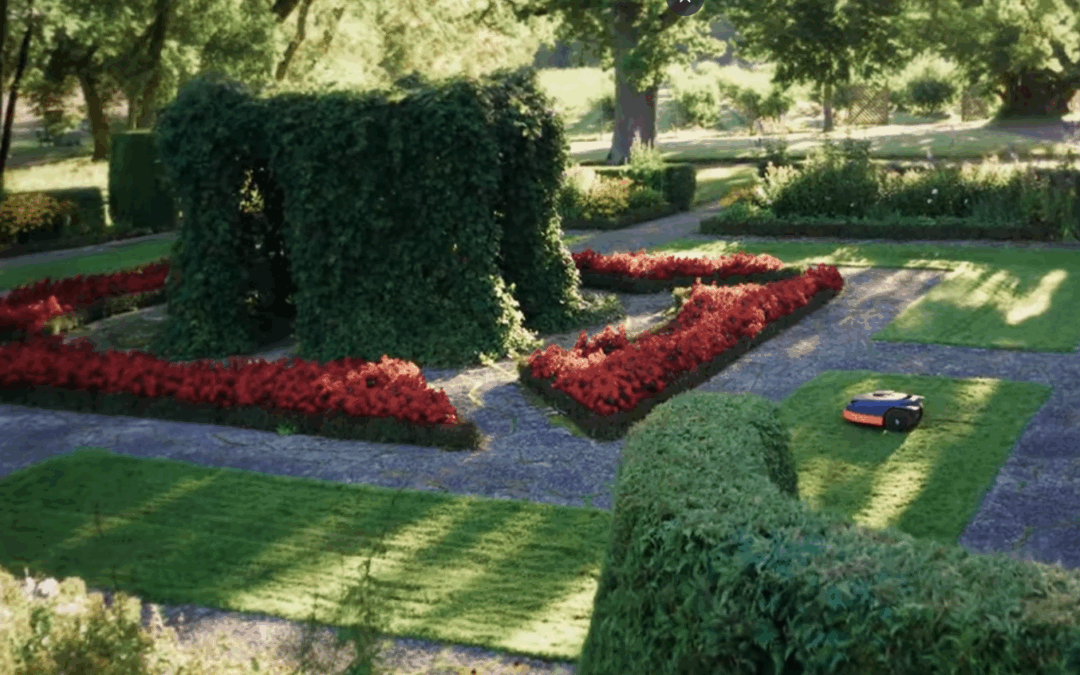
Royal Lawns, Everyday Yards: Why Navimow Is the Choice from Castles to Cul-de-Sacs
Navimow is trusted by castles, estates, and stadiums across Europe. Discover how this robotic mower delivers professional results and why it’s perfect for your lawn too.
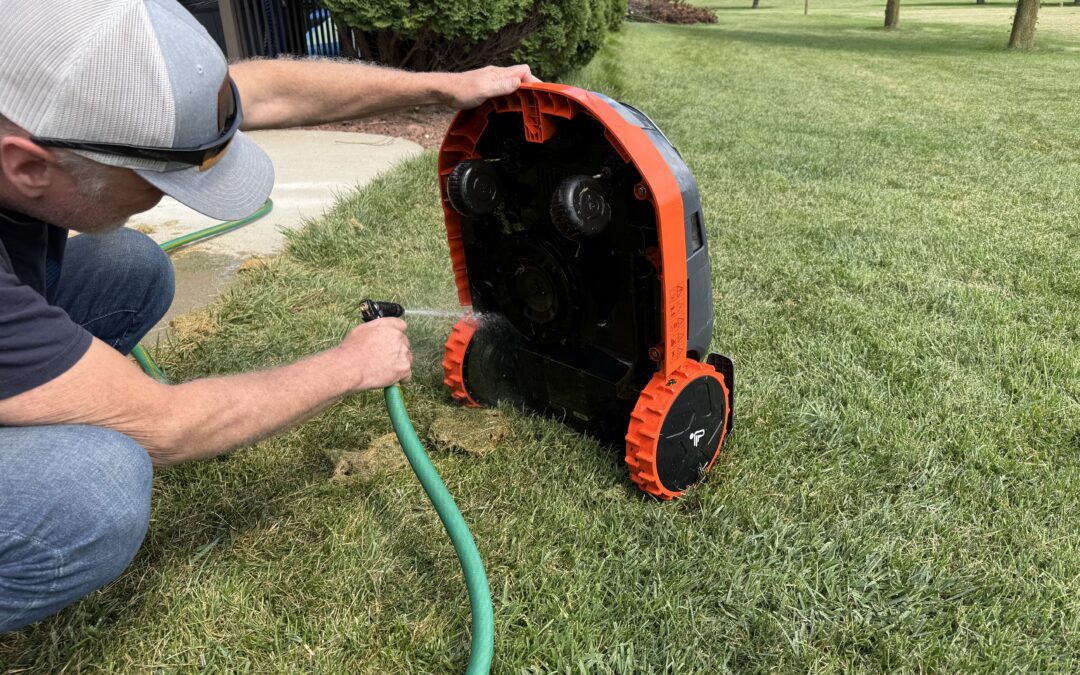
How to Maintain Your Segway Navimow: What You Need to Know
How to Maintain Your Segway Navimow: What You Need to Know By Ballard Power Works If you're considering a Segway Navimow, or already own one, the good news is that these robotic mowers are designed to be...
Why We Believe in Robotic Mowing and Why We Chose Segway
From Lake Homes to Local Lawns — A Dad and His Sons Building Something Together At Ballard Power Works, we’re not just a dealership. We’re a family that discovered robotic mowing out of necessity and ended up building...